These Hermes AI Agents Automate His Email Growth (Copy This)
Drew Carr went from zero to a thousand email subscribers in 80 days using Hermes AI agents and no ad spend. Here is exactly how the system works.How Hermes AI Agents Work for Marketers
Drew runs a cold outreach machine that finds leads, drafts replies, and posts in Facebook groups while he does other work. He walked through the whole thing on AI Rabbit Holes. Want to build outreach systems like this yourself? My Claude Code Skills Stack gives you the skill files and automation templates to start fast. Drew explained the difference between the tools clearly. Hermes and OpenClaw are the car. Claude Code and Codex are the engine underneath. The engine does the heavy lifting, but the car gives you doors, windows, and integrations so you can actually drive somewhere. That framing matters. An engine alone needs you supervising almost every step, which is closer to how Claude Code agent teams run. Hermes wraps real-world app connections around that engine so it runs autonomously.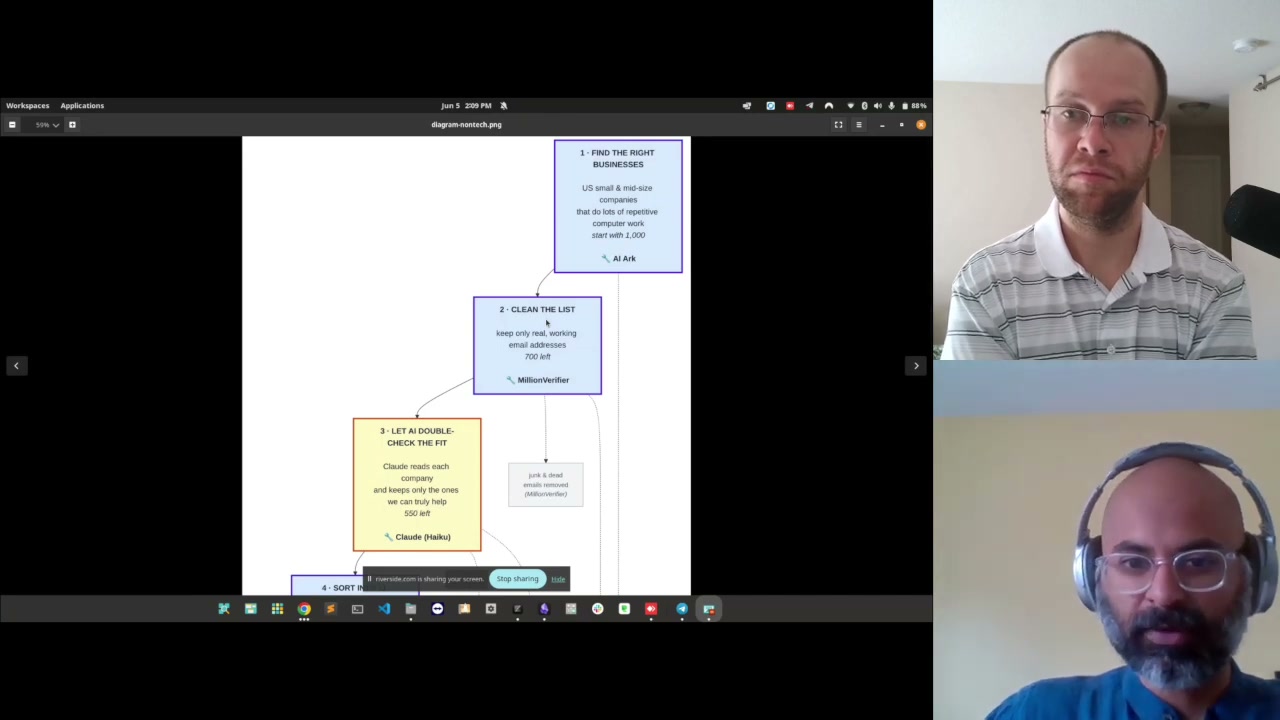
Hermes vs OpenClaw: What Drew Actually Picks
Pick the wrong agent and you spend your week fixing version updates instead of getting subscribers. Drew has run both, so his answer is worth listening to. A third option has since arrived for people who want none of that maintenance, and I broke down whether Grok Bot is worth it with a consultant who paid full price. OpenClaw is the Honda Civic that tries to integrate with everything. It was first to market and carries the most integrations, though I have written before about why OpenClaw frustrates a lot of users. Hermes is simpler, but it has built-in memory and a learning loop that improves the more you use it. Asked which one he would keep if he could only run a single agent for the next 12 months, Drew did not hesitate. Hermes. It breaks less, the memory keeps it sharp, and it handles version updates without constant handholding. OpenClaw breaks a lot more. One detail people miss: Anthropic banned Claude subscriptions on agents like these, so Drew runs Hermes on Codex in the back. That is OpenAI's $20 a month plan powering the whole system.The Cold Email System Behind the Subscriber Growth
You have heard that cold outbound lands your first customers. The hard part is doing it without burning hours on cleanup and verification. Drew's pipeline runs in clear steps. He pulls business lists from a tool like AI Ark or Apollo. He cleans those lists through Million Verifier so only real, working addresses survive. Then an LLM like Claude reads each company and keeps only the ones that genuinely fit his offer. The contacts get sorted into campaigns and stored in a database. Drew uses Turso, though Supabase works the same way. Here is the honest part. Drew still writes his own emails. He might ask Claude for a draft, but the actual copy is human. Google and Outlook are filtering hard to keep inboxes human to human, so robotic AI copy gets flagged. The automation handles the grunt work around the writing: warming domains, verifying addresses, moving leads through the pipeline. Prefer to run agents like this without Hermes? My guide on Claude Code AI marketing agents covers a similar approach.Scraping Facebook Groups With Hermes AI Agents
What if you could drop helpful comments in the right communities every day without sitting there yourself? That is the second system Drew demonstrated live. He controls Hermes from Telegram on his phone. The actual browser automation runs on a separate machine, an old laptop that stays connected. That separation matters. You do not want this running on your main work device chewing up resources every time you close the lid.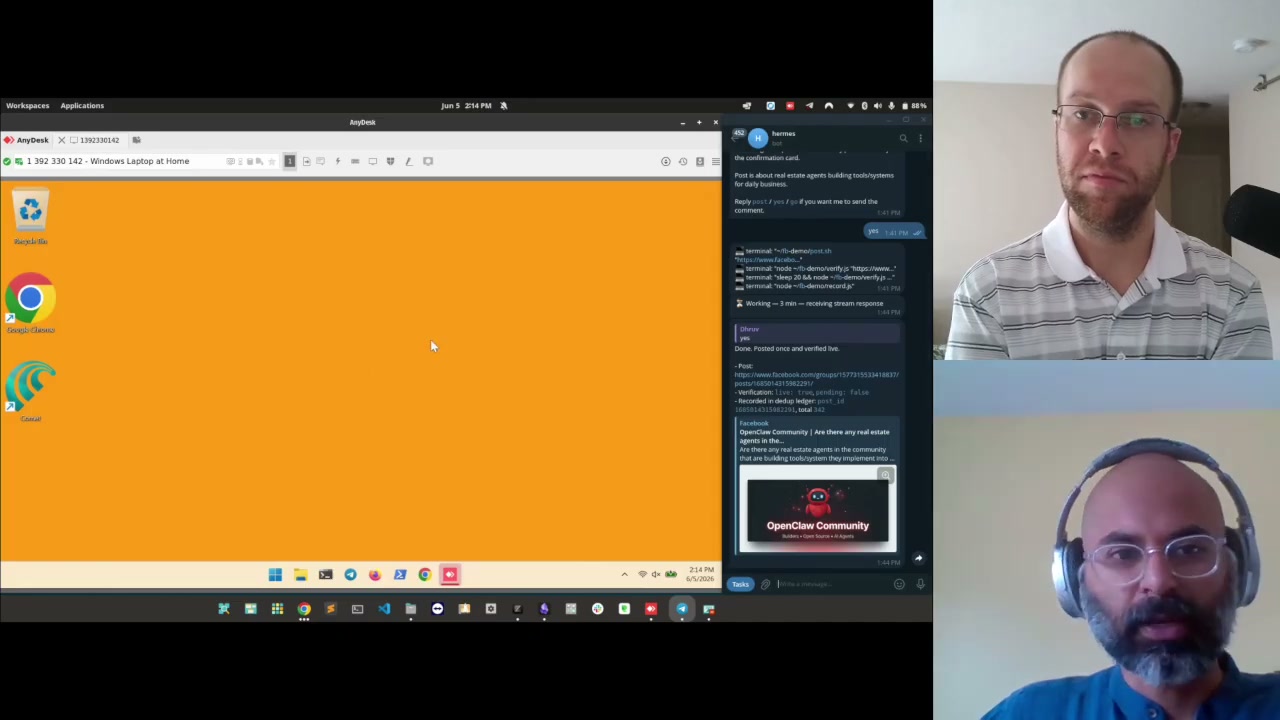
Keeping a Human in the Loop
Here is where most people get burned. They hand the whole job to an agent and trust output they cannot check. Drew stays involved on purpose. Hermes drafts each reply based on his real history, since he talks to it constantly and it remembers his past problems. He reads the draft, confirms it makes sense, then approves the post.